

Minimize Stress
How to Create a Wedding Budget
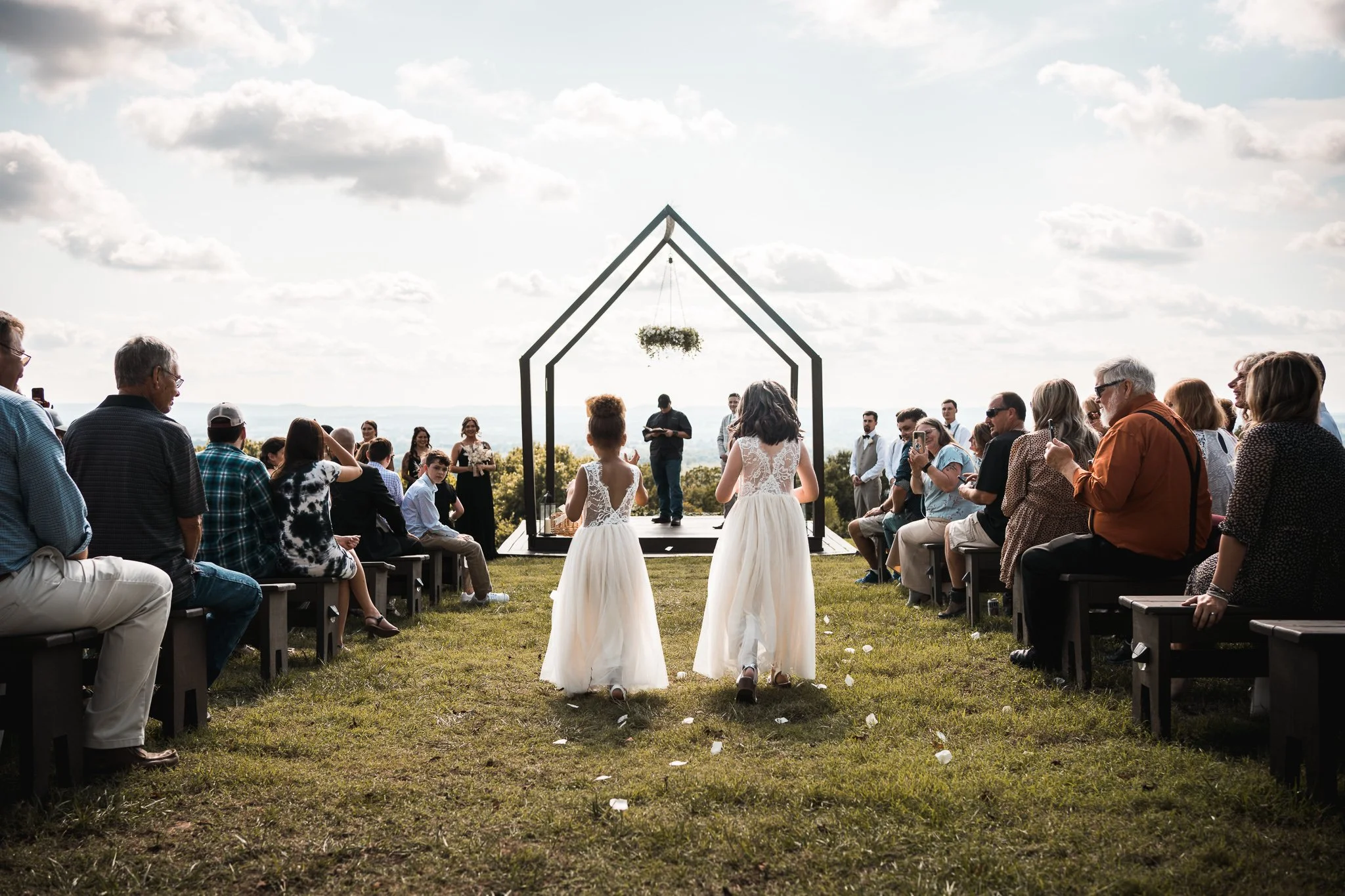
Weddings are a joyous occasion, but they can also be expensive.
Creating a wedding budget is an essential step in planning a wedding, and it can help you avoid overspending and potential financial stress.
In this article, we will discuss how to create a wedding budget that works for you.

How to Create a Wedding Budget
01. Determine your overall budget
02. Prioritize your expenses
03. Research Costs
04. Break down your budget
05. Track your spending
06. Be flexible
Determine your Overall Budget
The first step in creating a wedding budget is to determine how much you can afford to spend. This will depend on your financial situation, how much you've saved, and whether or not family members are contributing to the wedding.
It's essential to be realistic about your budget and not overspend.
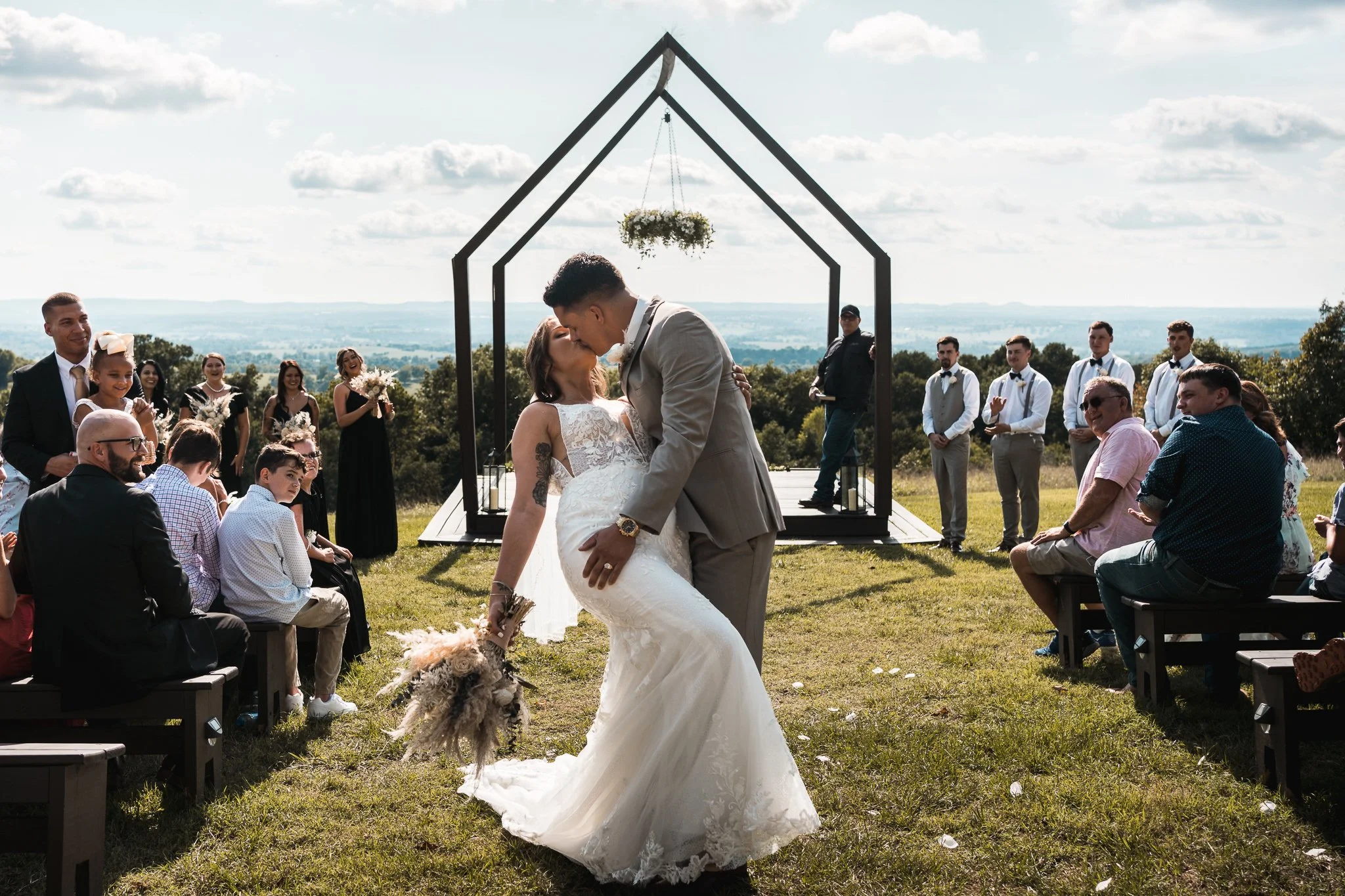
Prioritize your Expenses
After you have determined your overall budget, it's time to prioritize your wedding expenses. Start with the essentials, such as venue rental, food, and drinks.
Then, move on to other costs like attire, decorations, and entertainment. It's crucial to prioritize what is most important to you and your partner, as this will help you allocate your budget accordingly.

Research Costs
Once you have prioritized your wedding expenses, it's time to research the costs associated with each item.
Use wedding planning websites, blogs, and wedding vendor websites to get an idea of how much you can expect to spend on each item.
Be sure to account for taxes and any additional fees that may come up.
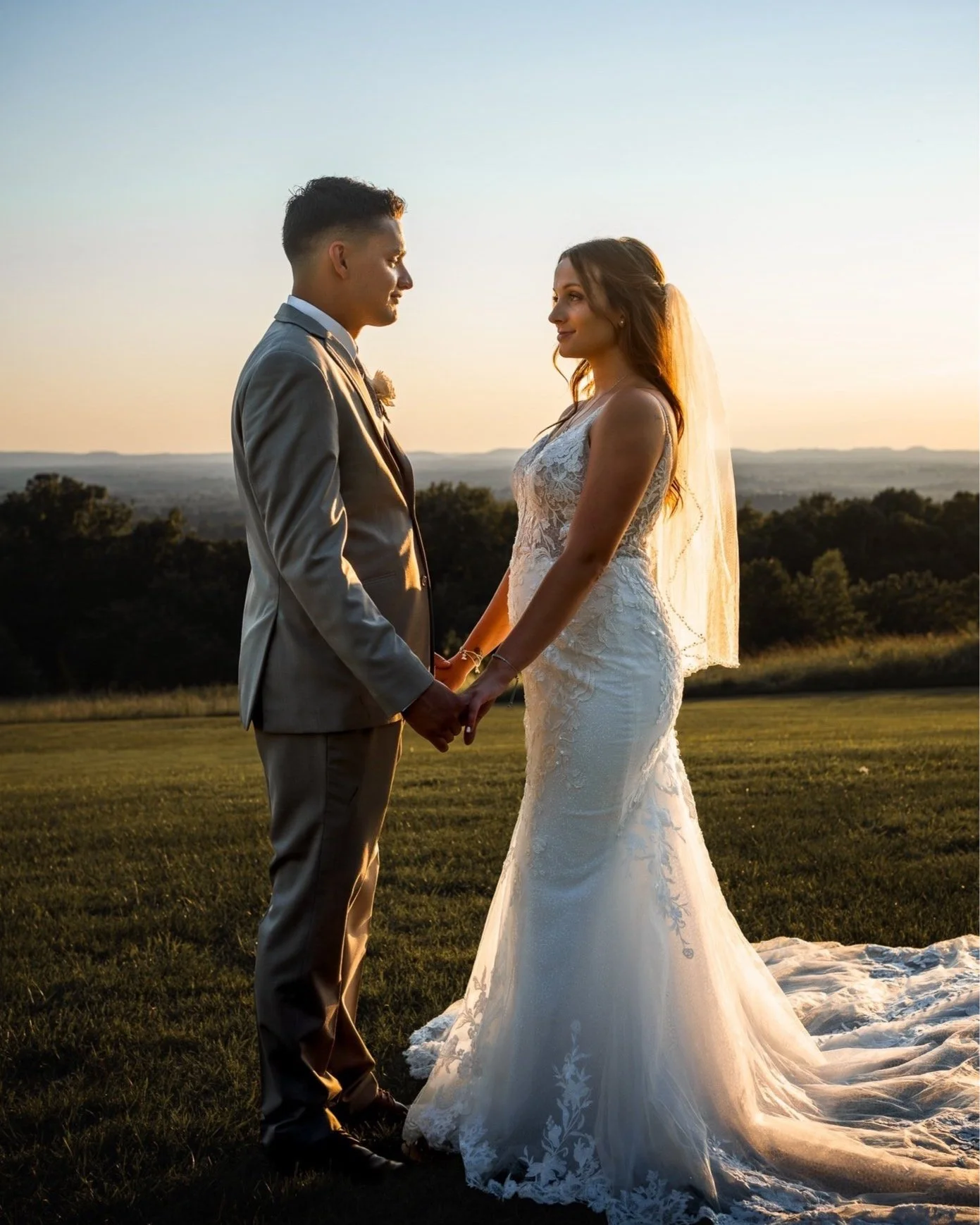
Break Down your Budget
After researching costs, break down your overall budget into smaller, more manageable chunks.
Allocate specific amounts to each expense category, such as venue rental, catering, and photography.
Be sure to leave some wiggle room for unexpected expenses.
Track Your Spending
Once you have created a budget, it's essential to track your spending to ensure you stay on track.
Use a spreadsheet or wedding budgeting app to record your expenses, and be sure to update it regularly.
This will help you see how much you've spent and how much you have left to spend in each category.

Be Flexible
Finally, be flexible with your budget. It's okay if unexpected expenses come up or if you realize you've underestimated the cost of something.
Remember that your wedding is a special day, and you want it to be memorable.
If necessary, adjust your budget accordingly, and don't be afraid to ask for help from family or friends.
Conclusion
Creating a wedding budget takes time and effort, but it's essential for avoiding financial stress and overspending.
By determining your overall budget, prioritizing your expenses, researching costs, breaking down your budget, tracking your spending, and being flexible, you can create a budget that works for you and your partner.

MEET THE AUTHOR
Benjamin is a couple and wedding photographer based in Oahu, Hawaii.
He has been capturing photos for 10 years, is a Leave No Trace Aware Photographer, and served as a Forward Observer in the US Army.